|
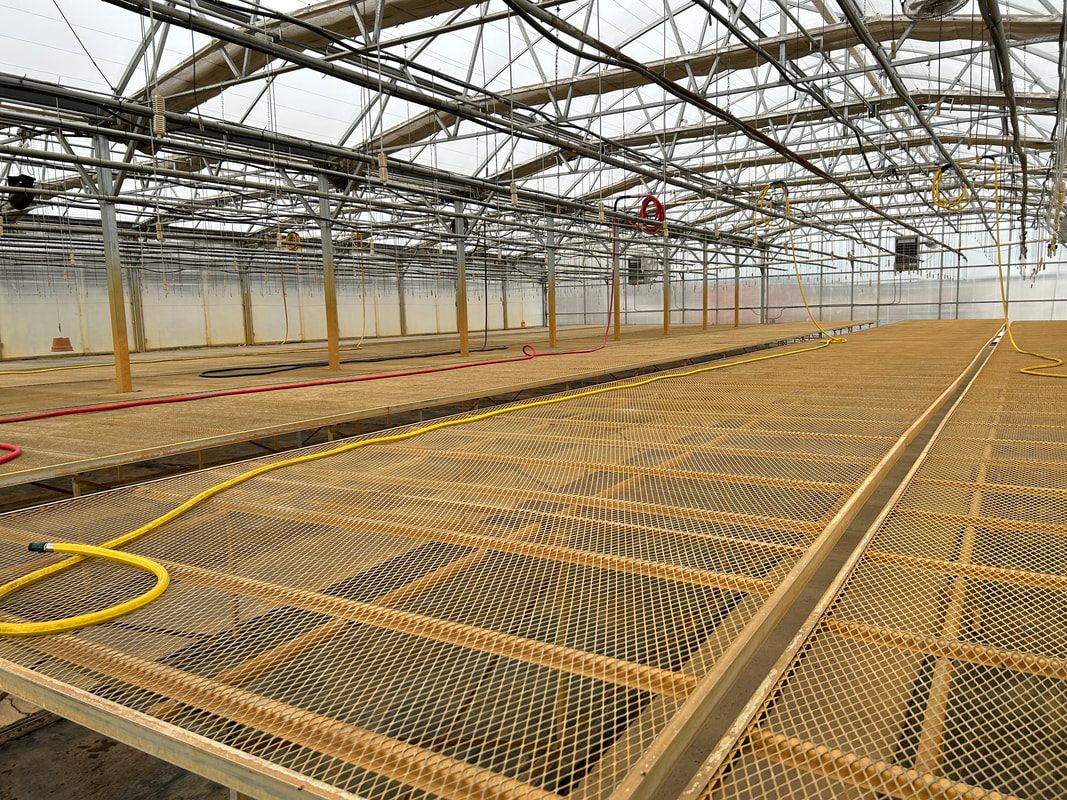
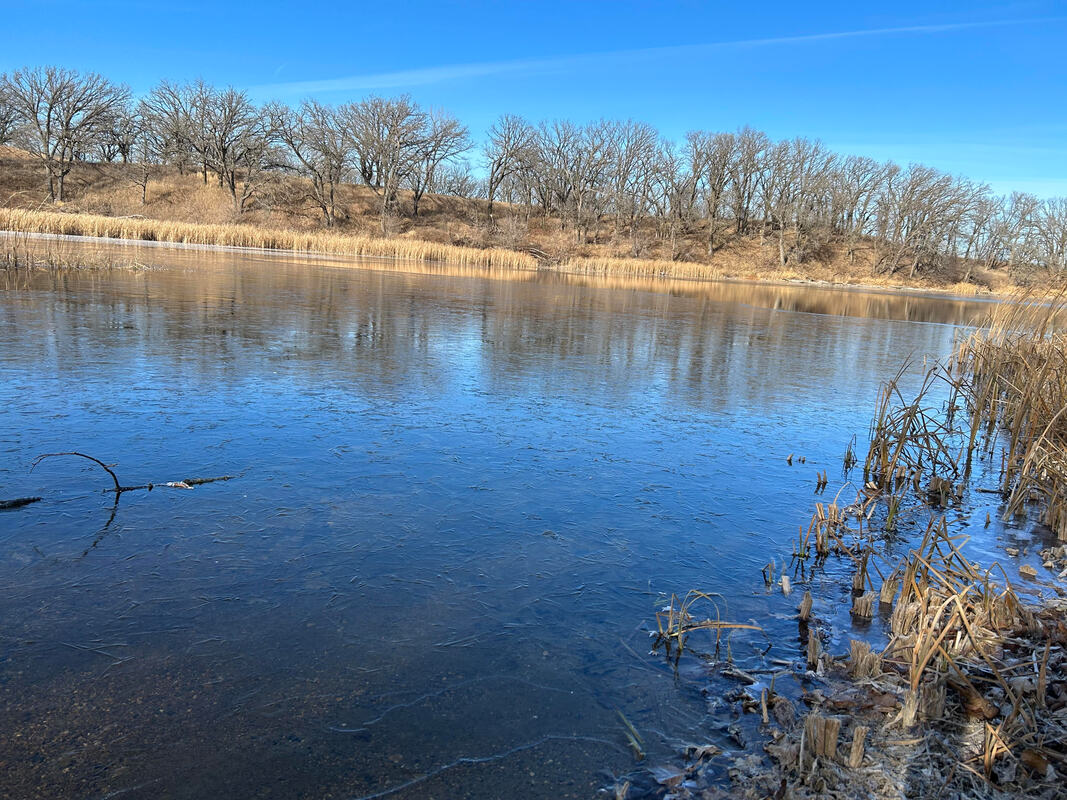
Greenhouse benches, sanitized for spring, Now to dormant respite, these shortened days bring. As cold sub-arctic lips kiss the mirrored lakes, Smoothing out the ripples and long-lost summer wakes. Now, lengthened nights blossom with dancing colored beams And dormancy envelopes even swiftly flowing streams.
0 Comments
As the fall colors begin to fade, our local trumpeter swans remain to squeeze every possible day out of our ice-free season. Docks now begin their long dry land vigil, waiting for the next open water season. Diving rafts pulled out onto last summer’s grass, look out onto misty water, now rapidly cooling as cold air presses any remaining warmth from our lakes. The only blooms now are plastic pin-wheels in wilted flower pots.
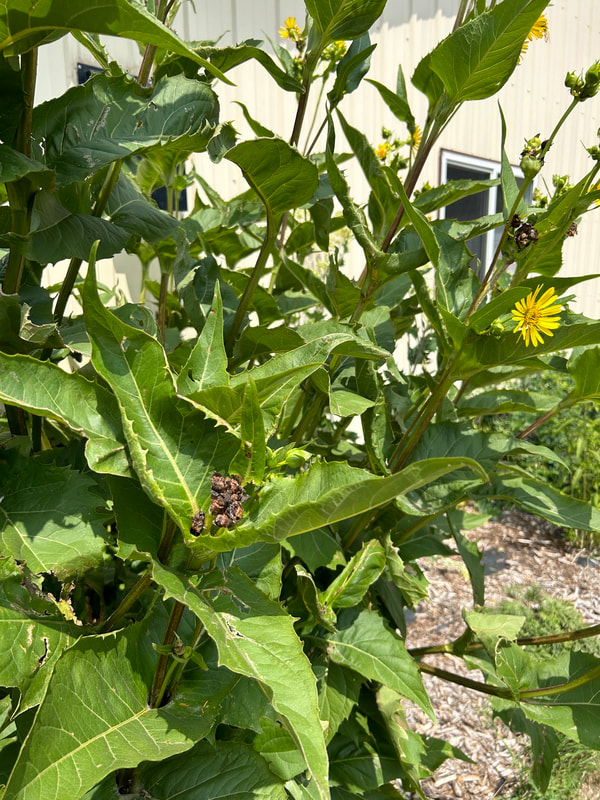
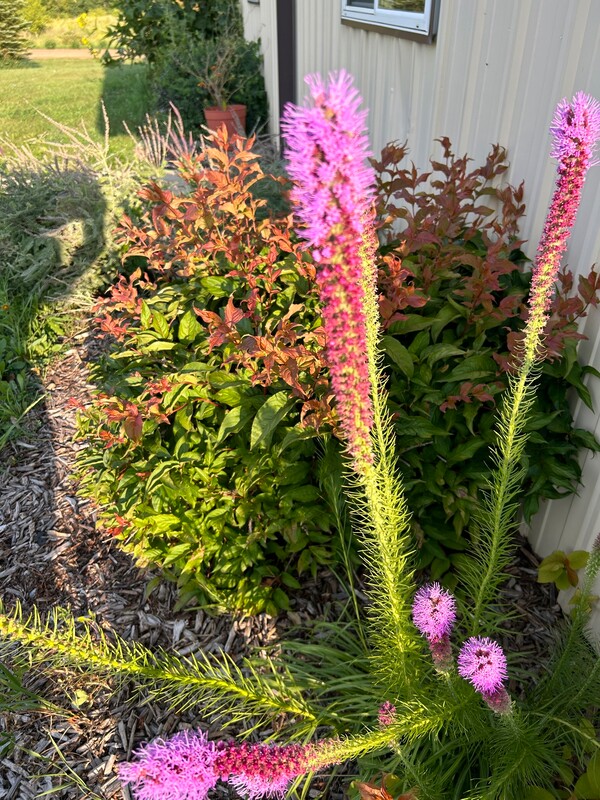
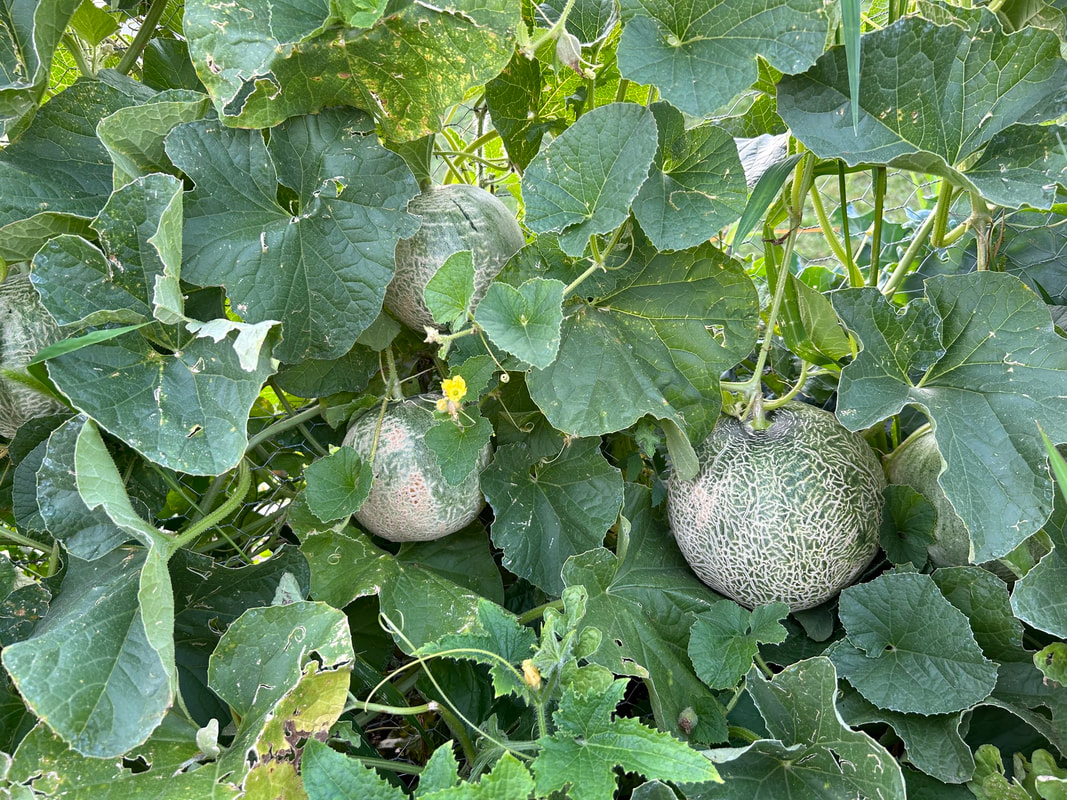
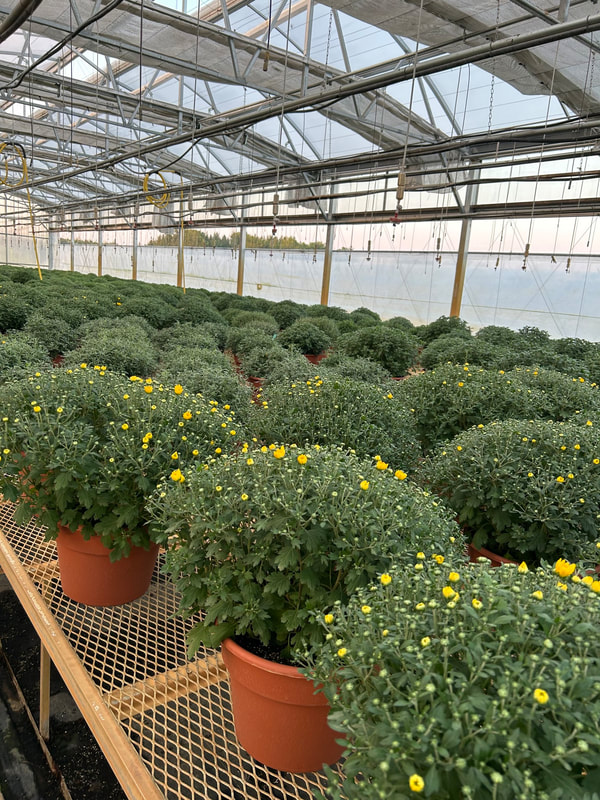
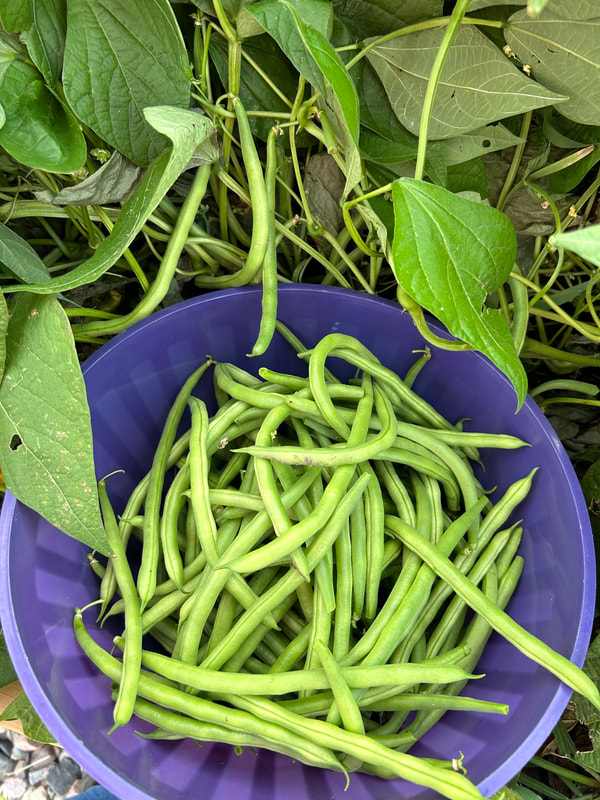
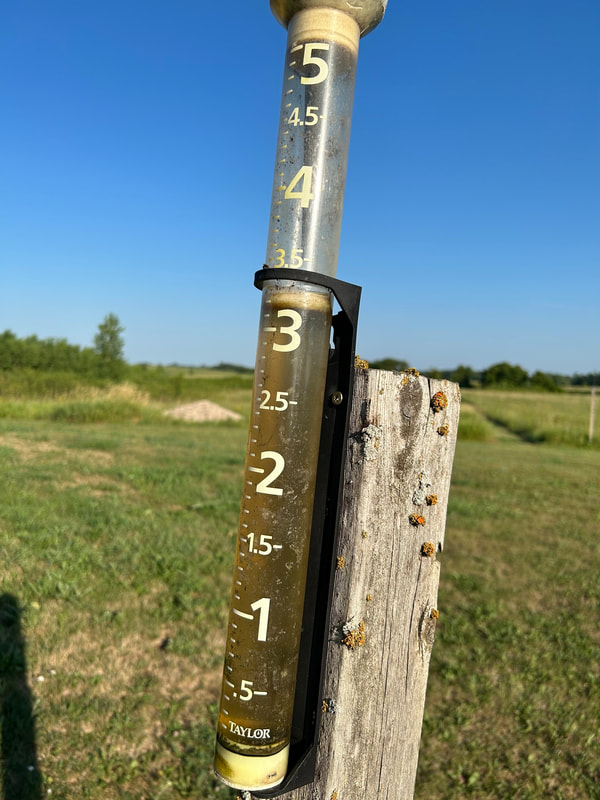
The prairie blazing star is beginning to show color, the cup plants are blooming, and the vegetable garden is maturing. Finally, a big rain has blessed our parched summer. Yes, the season is changing. Many signs now as the days shorten and our mum crop in the greenhouse is beginning to bud.
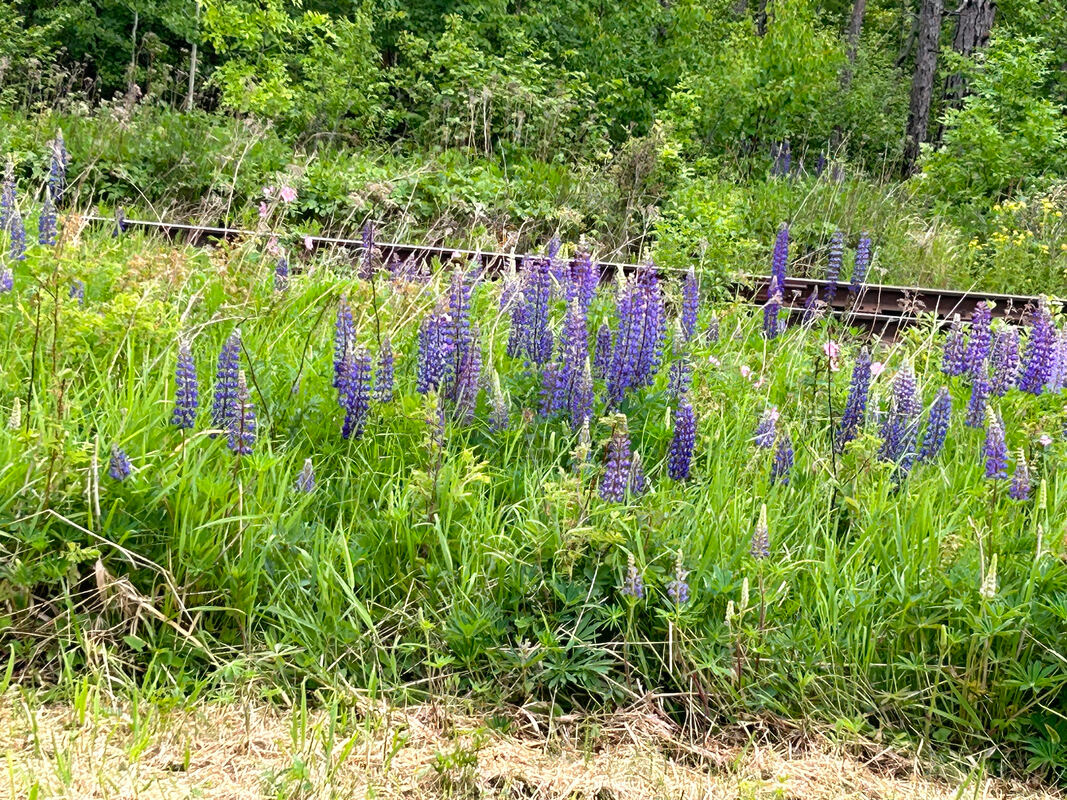
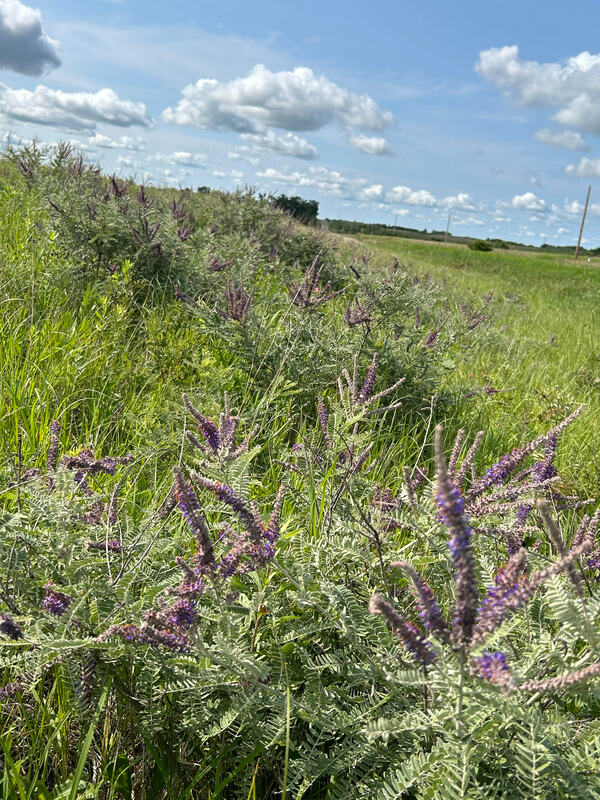
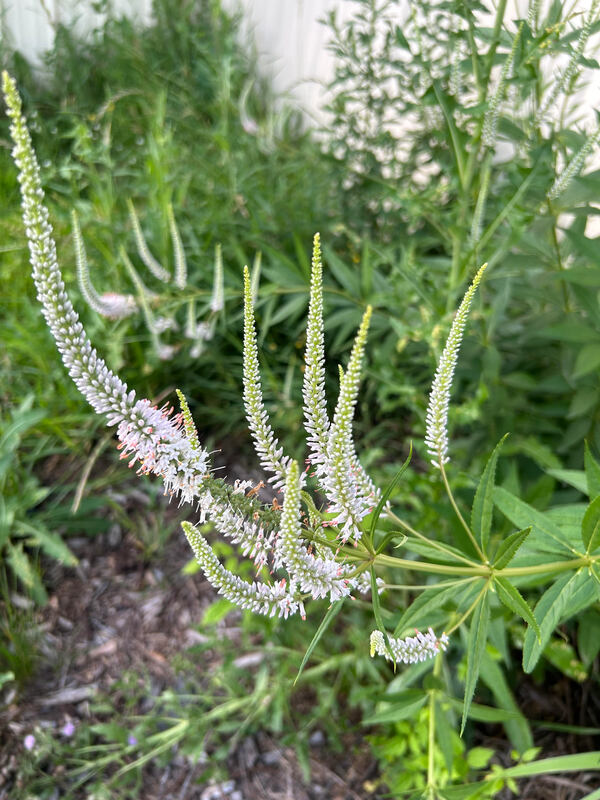
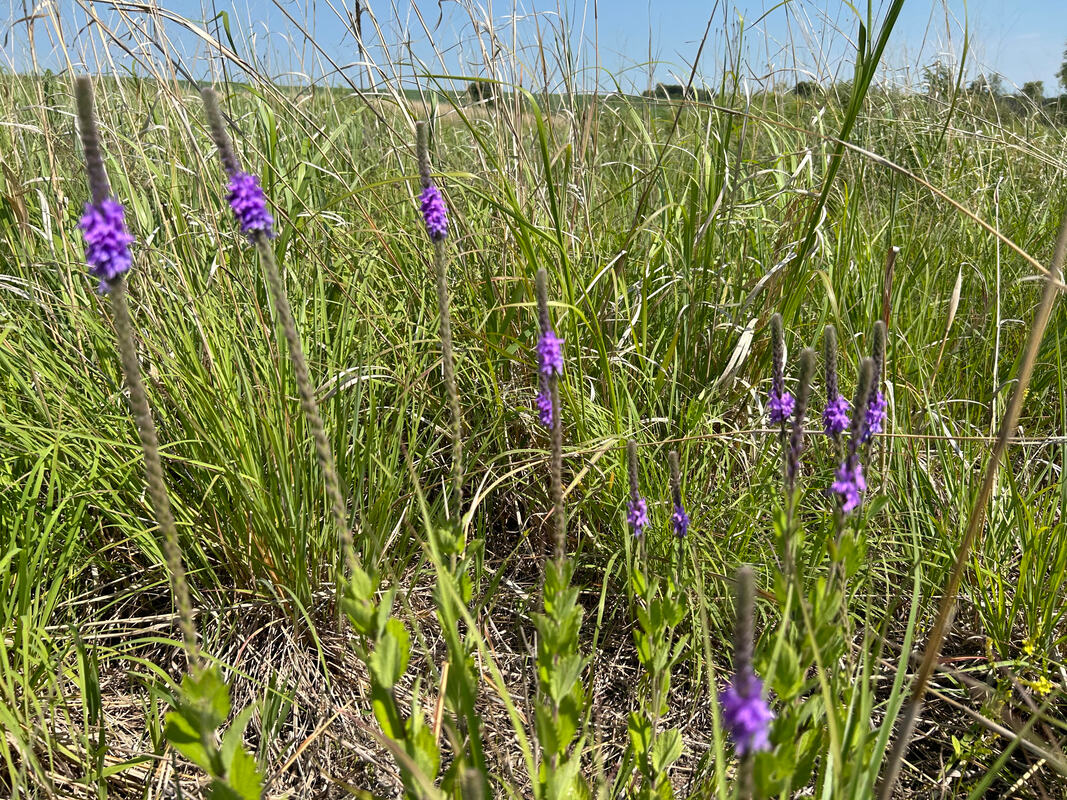
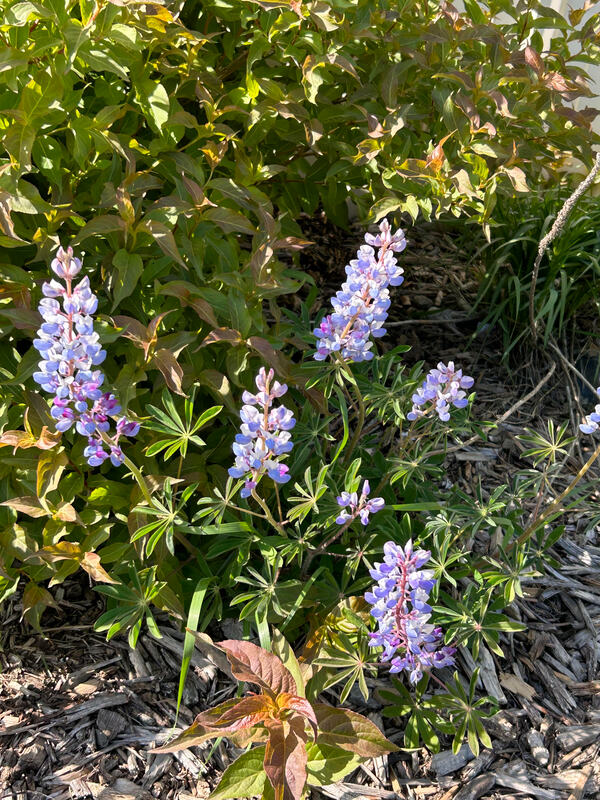
Now is the time of summer to see some of the native plants that send up unique and beautiful flower spikes. The dazzling Lead Plant is now in full bloom. There is also the graceful beauty of Culver’s Root, the rugged Hoary Vervain, and beautiful displays of Wild Lupine. We now have a very good stock of most native plants in our greenhouses. It’s time to get the lead out and plant those pollinators.
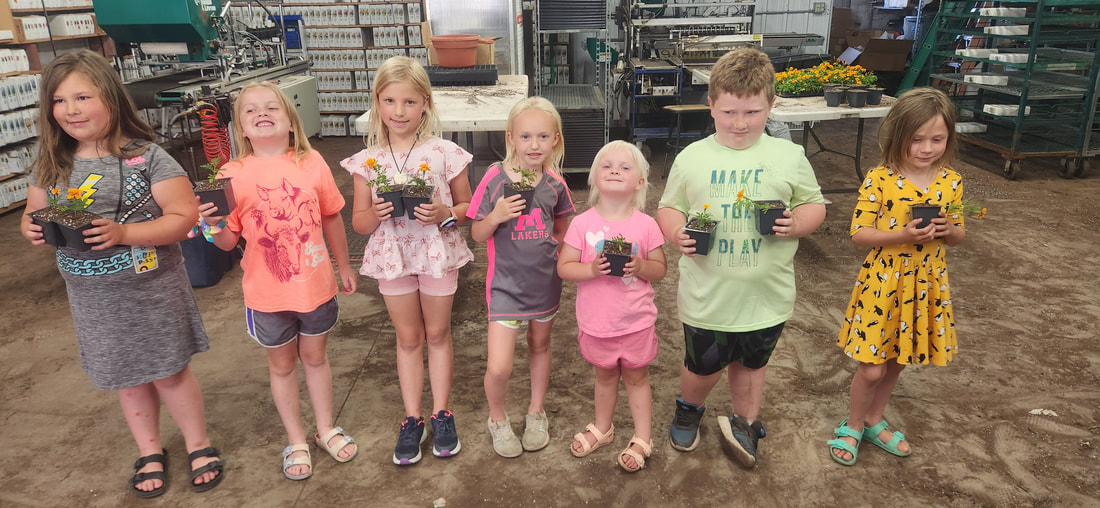
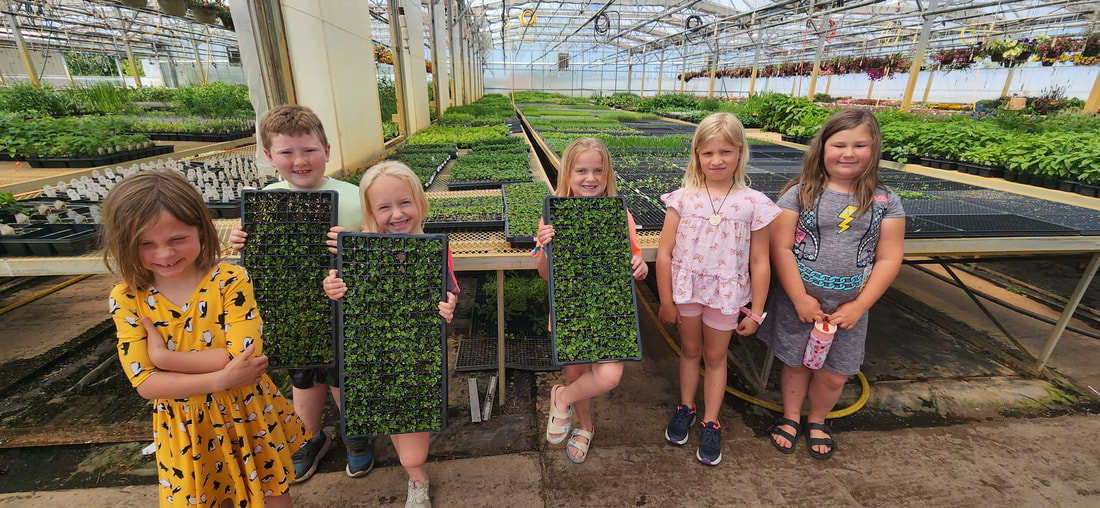
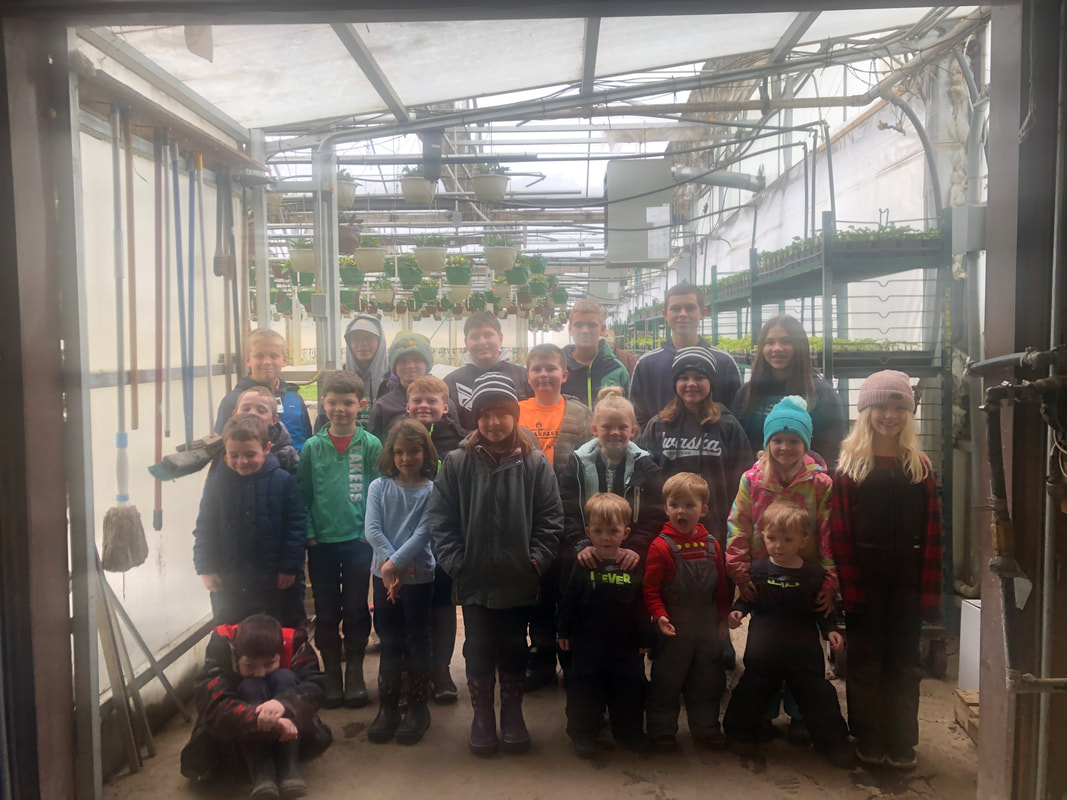
 We are now re-filling our greenhouse benches with lots of native plants for summer and fall plantings. We were happy to have a 4-H group of young gardening enthusiasts come to see how we propagate and grow in the greenhouses here at Glacial Ridge Growers. They each took home a plant to grow for the summer and got to see the fall mums in their formative stage as the 4-H’ers anticipate their fall mum sale fund-raiser.
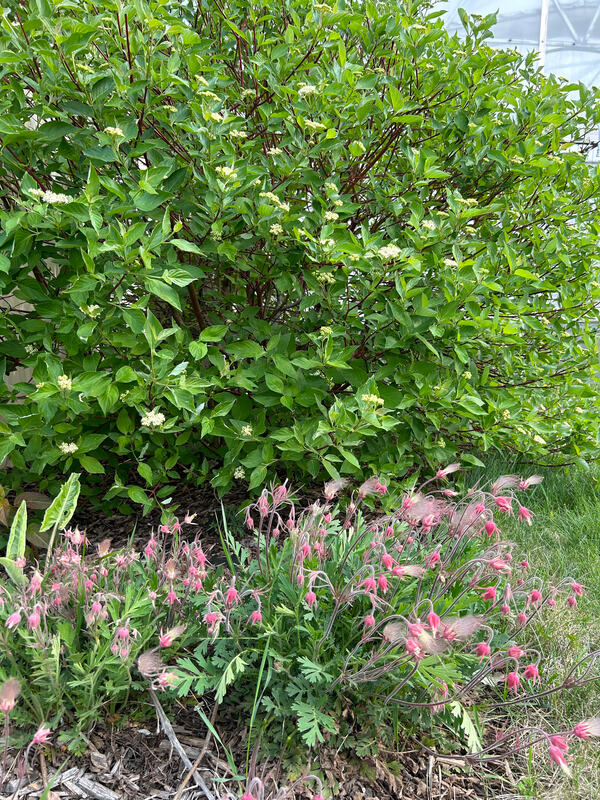
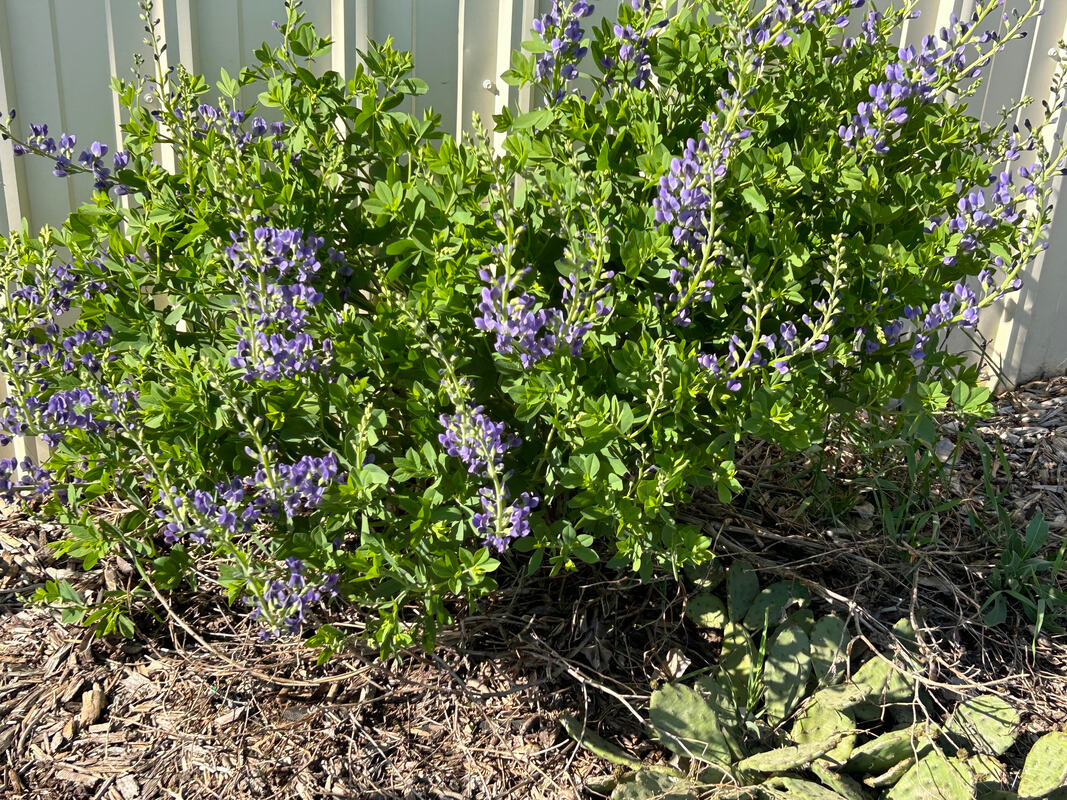
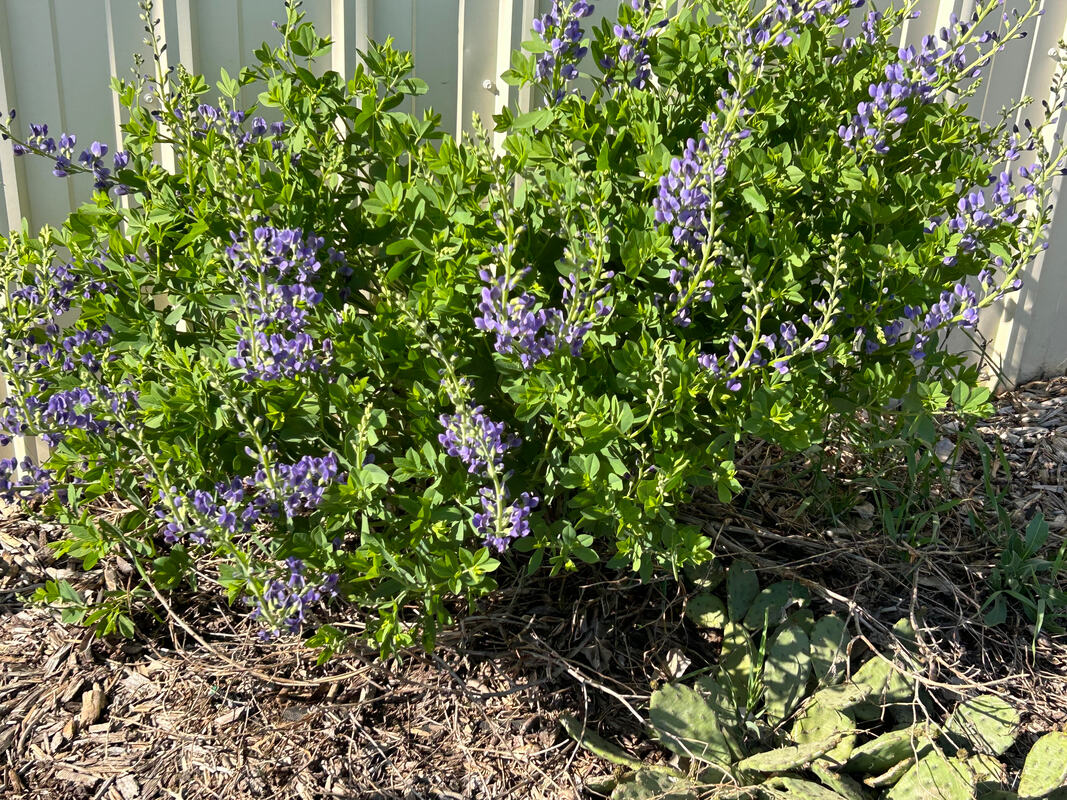
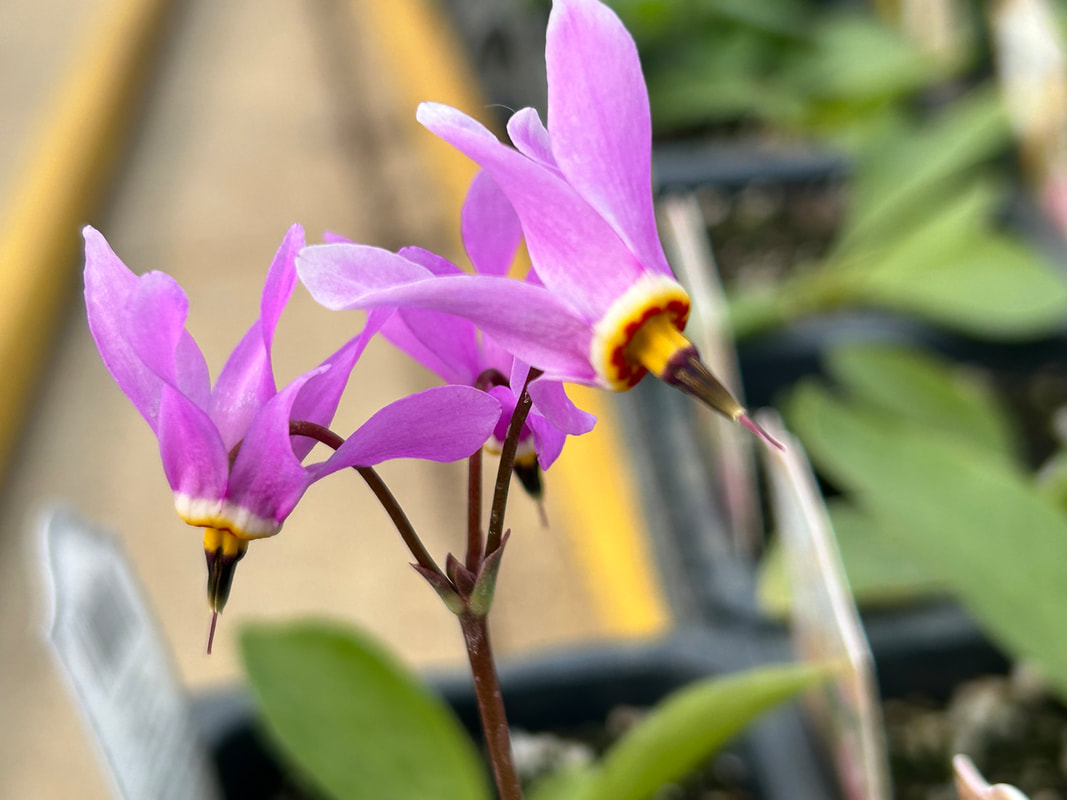
May has been very busy at the Greenhouses here at Glacial ridge Growers. With April not being very conducive to gardening, we have had plant sales compressed into a shorter time. It has also been a spring of compressed bloom-times for some of our native plants. Prairie Smoke, re-twigged dogwoods, wild lupines, and baptisia are all currently blooming. Enjoy them while you can. |




 |  |  |
 |  |  |
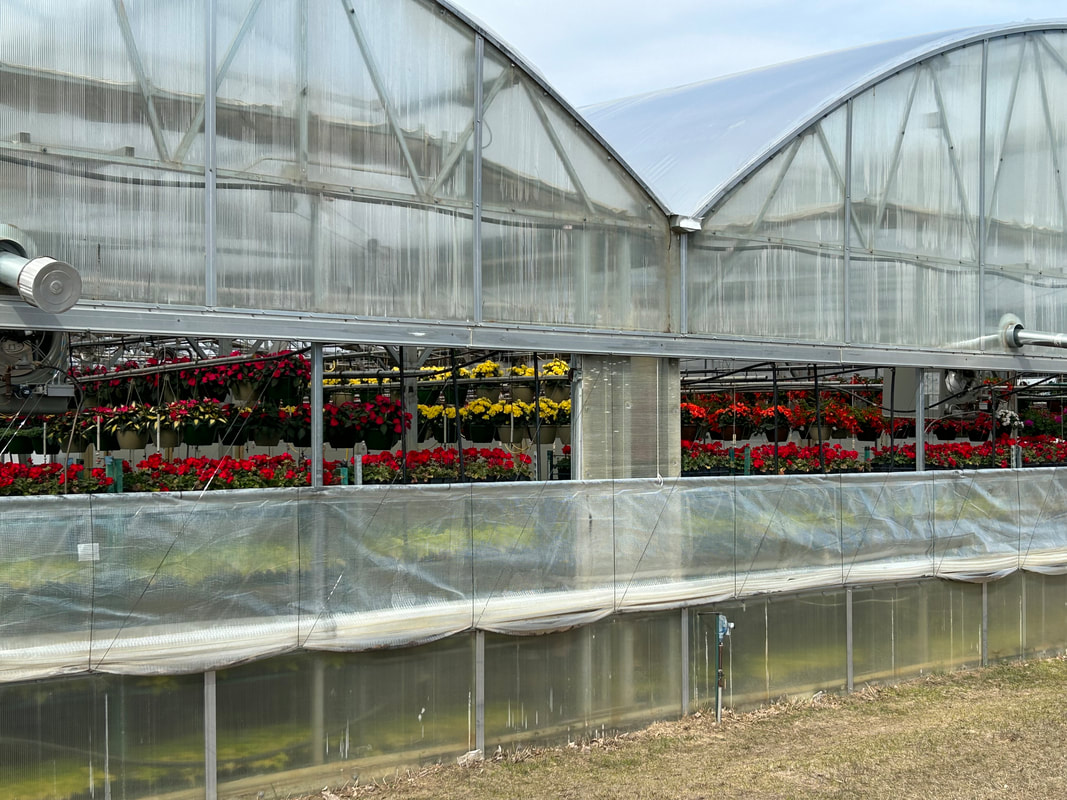
Recent warmer weather has allowed us to open up greenhouses and bring spring air into the greenhouses. This week we will begin shipping plants to some of our customers. Soon spring will surely be upon in full measure. Time for our plants to begin their journey “into the great wide open.”
 |  | 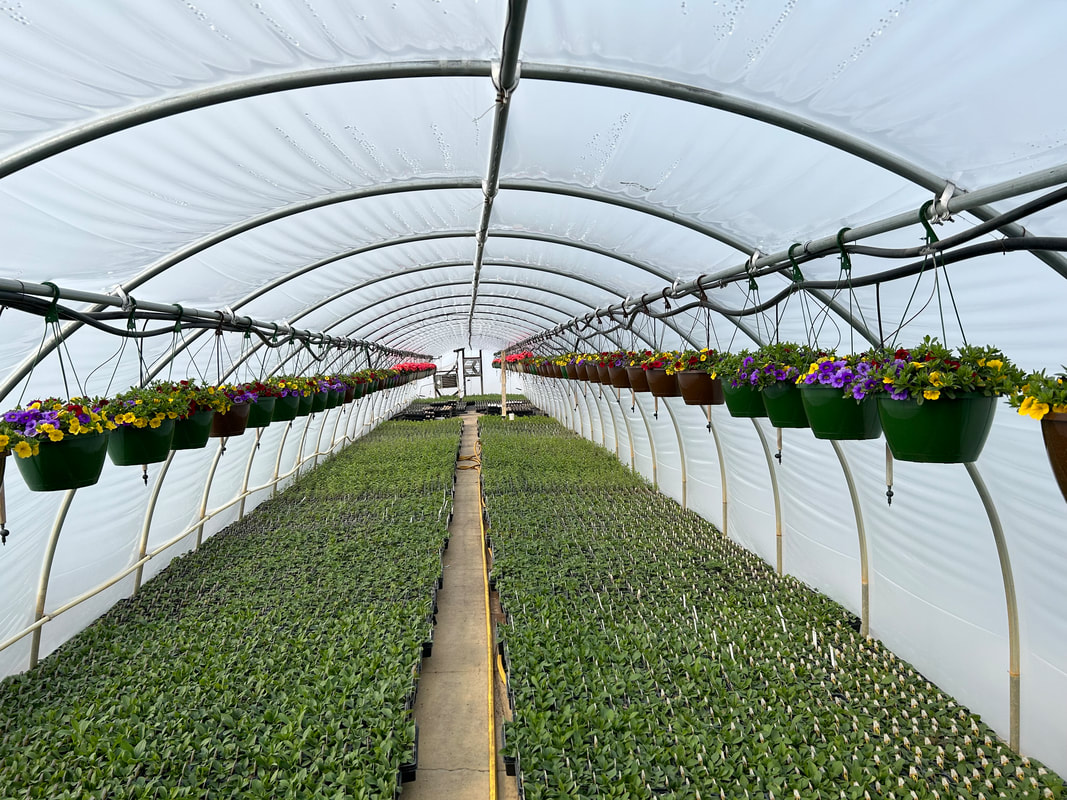 |
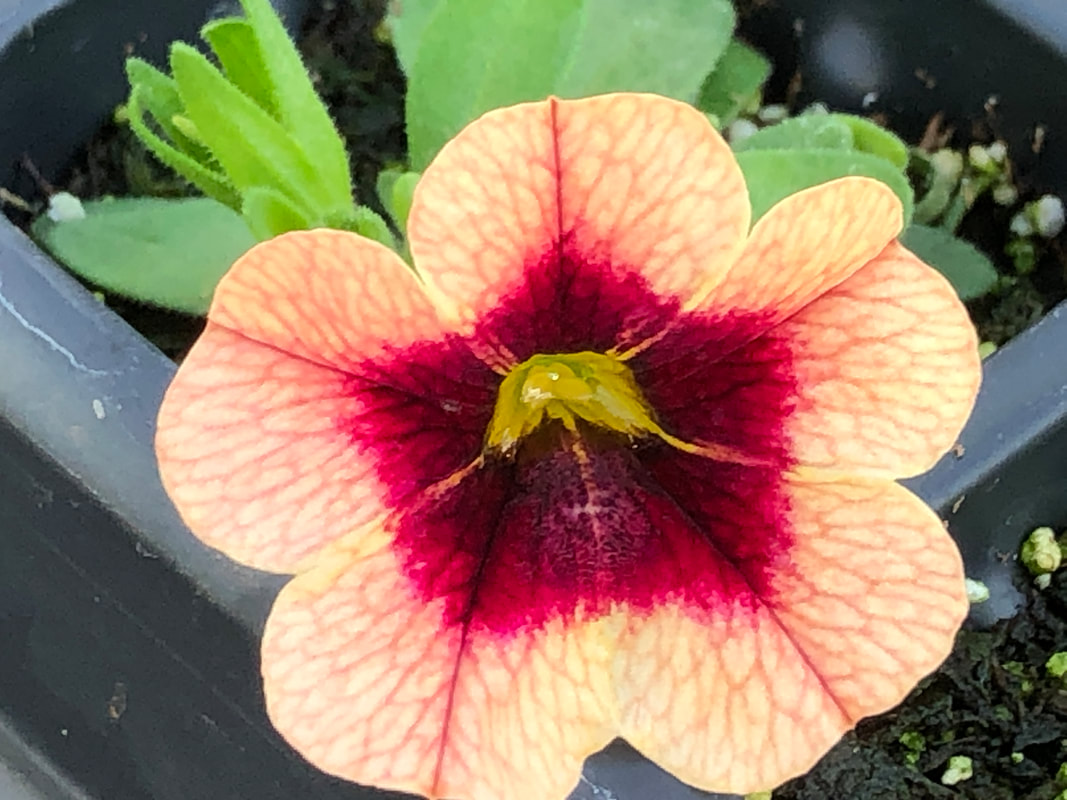
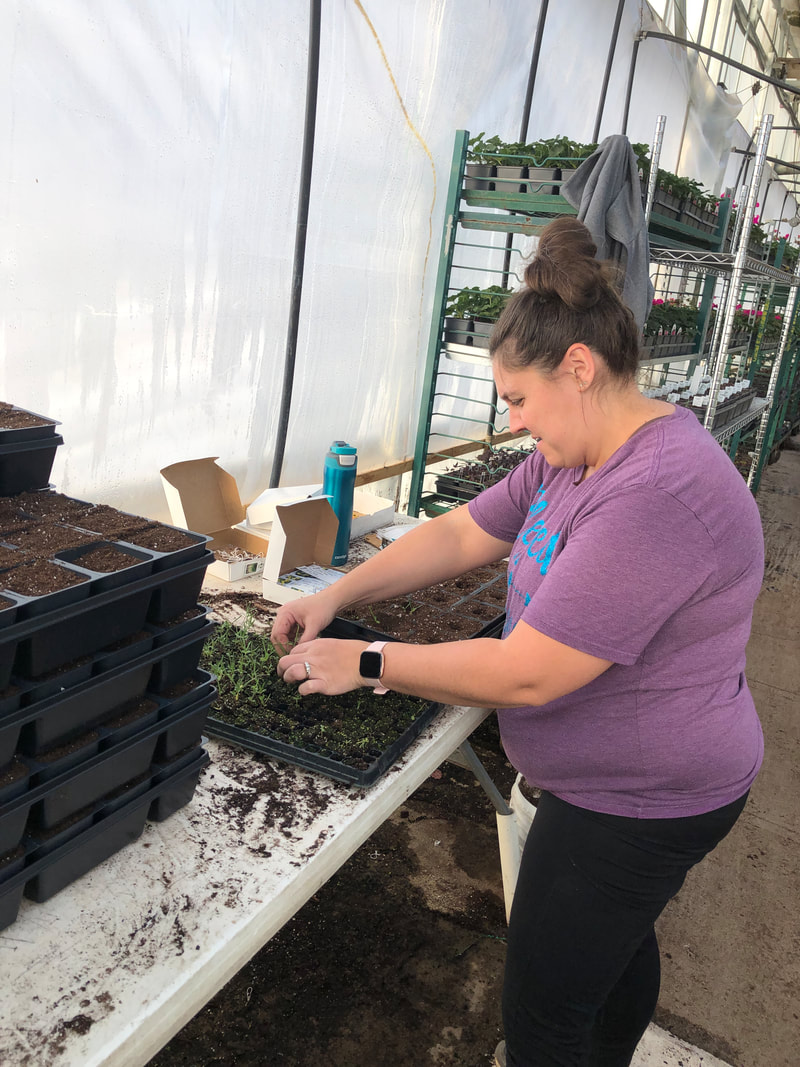
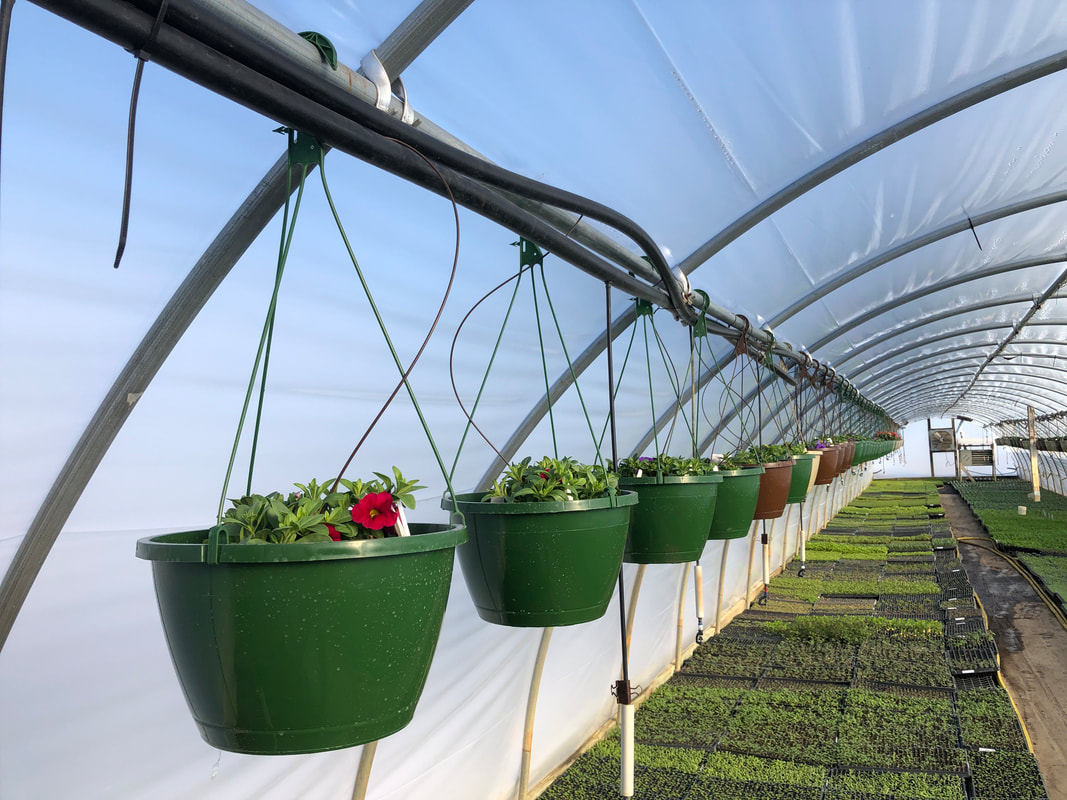
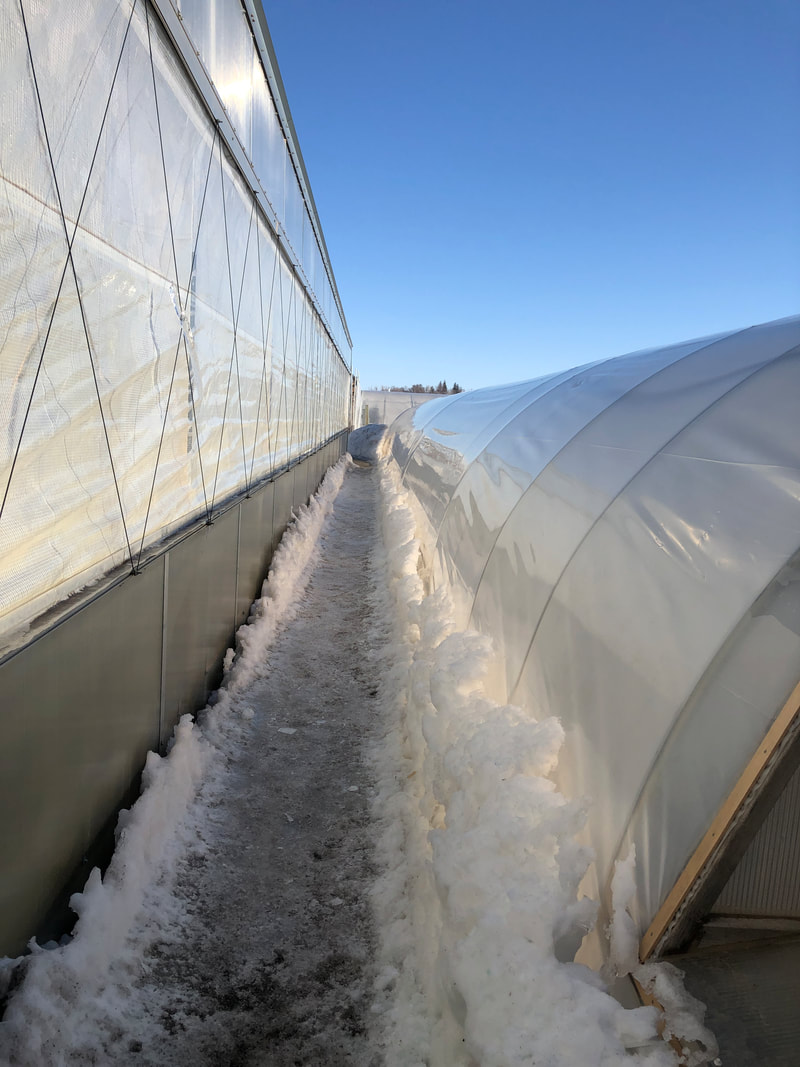
As flamboyant colors begin to rage brightly in the greenhouse, winter’s whiteness still rages outside. As greenhouses fill, we know the snow eventually must recede. We feel we live the green dream each day as we are greeted by longer days and ever-quickening plant growth. Sharing our greenhouse production with 4-H garden enthusiasts also gives us hope for new young plant-lovers.
 |   |  |
 |  |
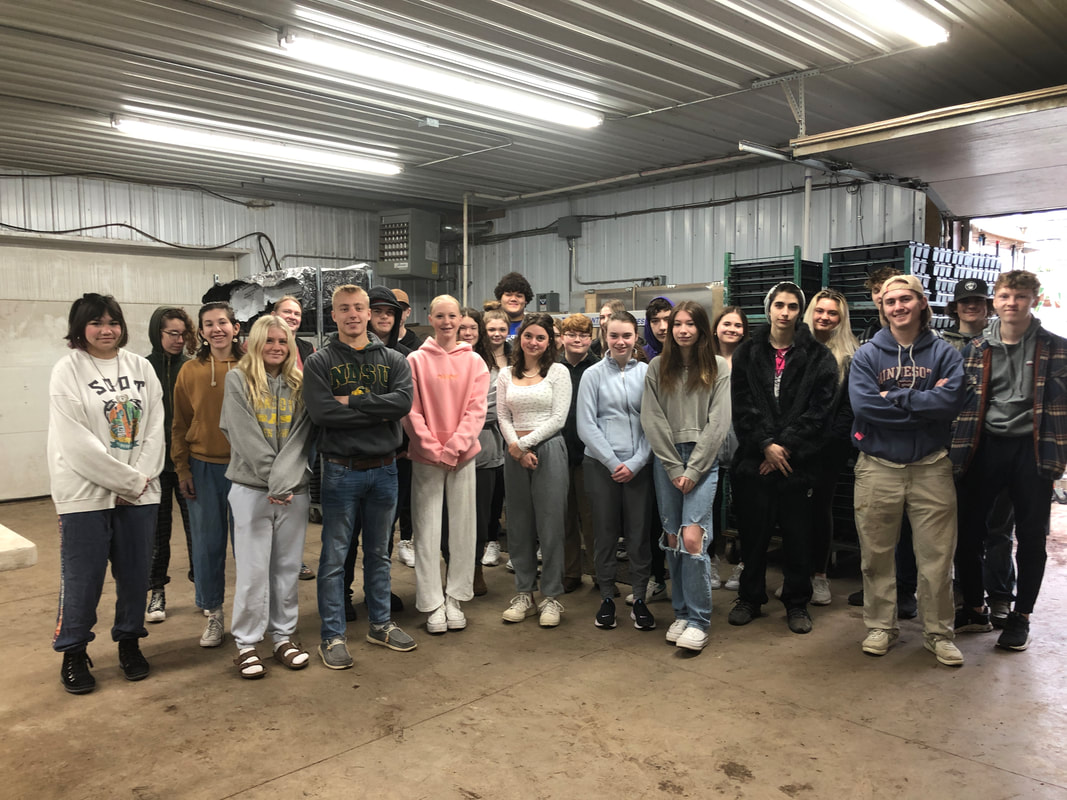
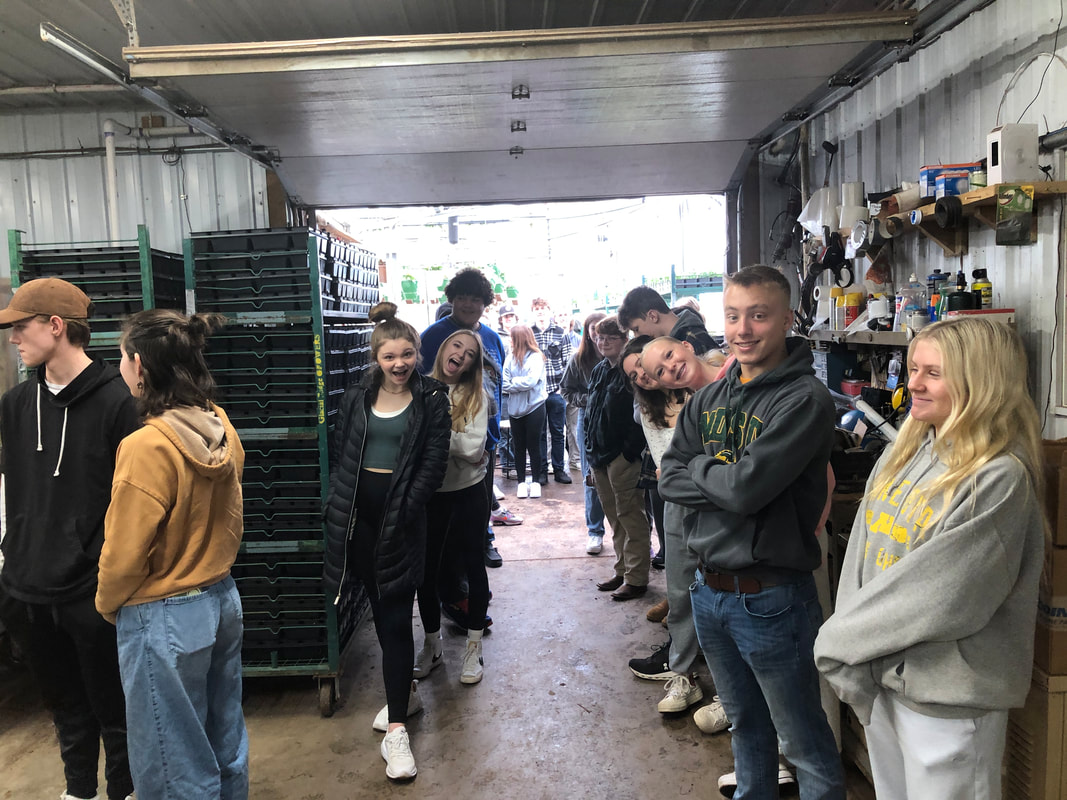
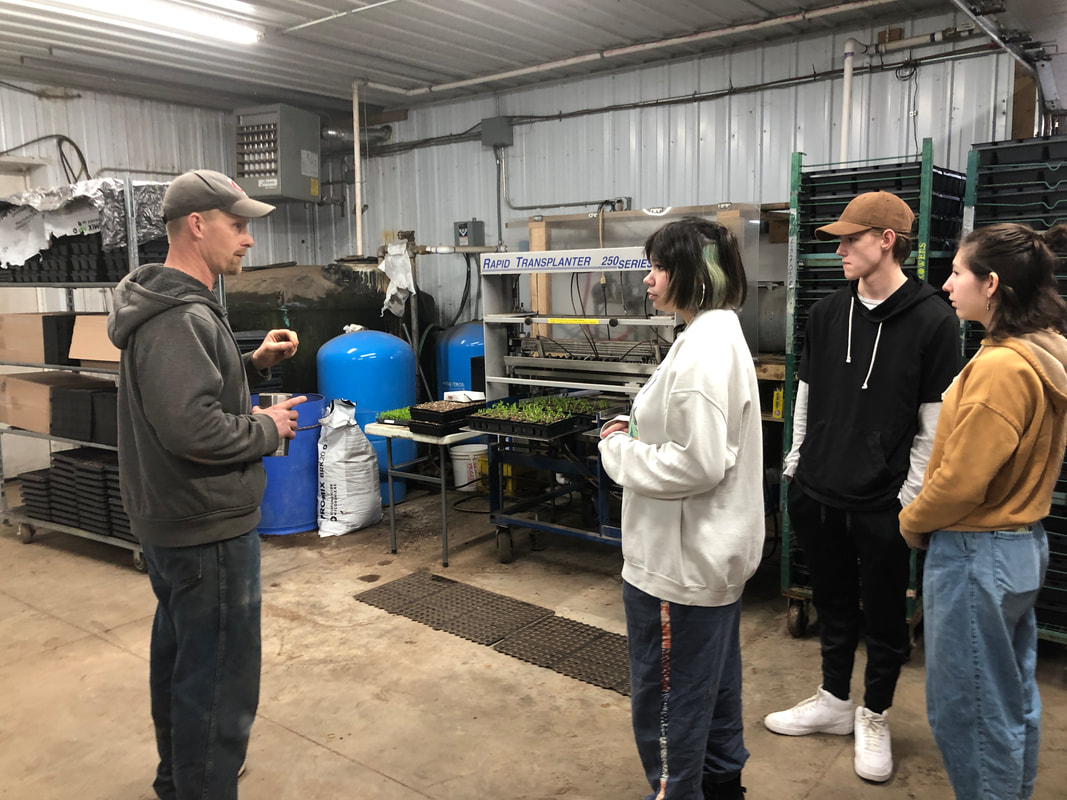
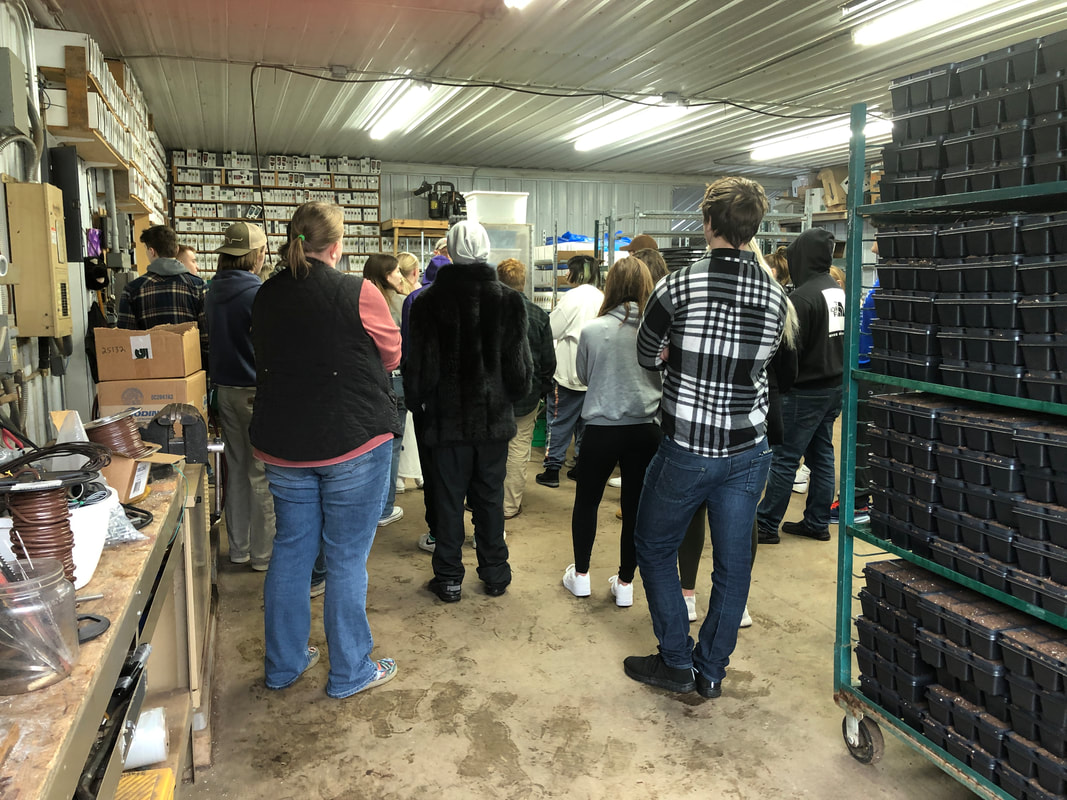
The agricultural class from the high school in Alexandria, Minnesota, along with their teacher Linnay Schweisthal visited our greenhouse on Thursday. Jeremiah Stark, one of the owners of Glacial Ridge Growers, led the class on a tour of the plant production facility.
Propagation, seeding, transplanting, and general requirements for a heathy crop were the topics of the tour. Growing with sound, sustainable, earth-friendly techniques was also part of the discussion.
The high school class will soon be receiving small plants from Glacial Ridge, which they will transplant and grow in the greenhouse at their high school. What a great opportunity to share our love of plants with a new generation of growers!
Propagation, seeding, transplanting, and general requirements for a heathy crop were the topics of the tour. Growing with sound, sustainable, earth-friendly techniques was also part of the discussion.
The high school class will soon be receiving small plants from Glacial Ridge, which they will transplant and grow in the greenhouse at their high school. What a great opportunity to share our love of plants with a new generation of growers!
  |   |
And then in the greenhouse I heard some sounds,
Magical voices sang in tiny, sweet rounds.
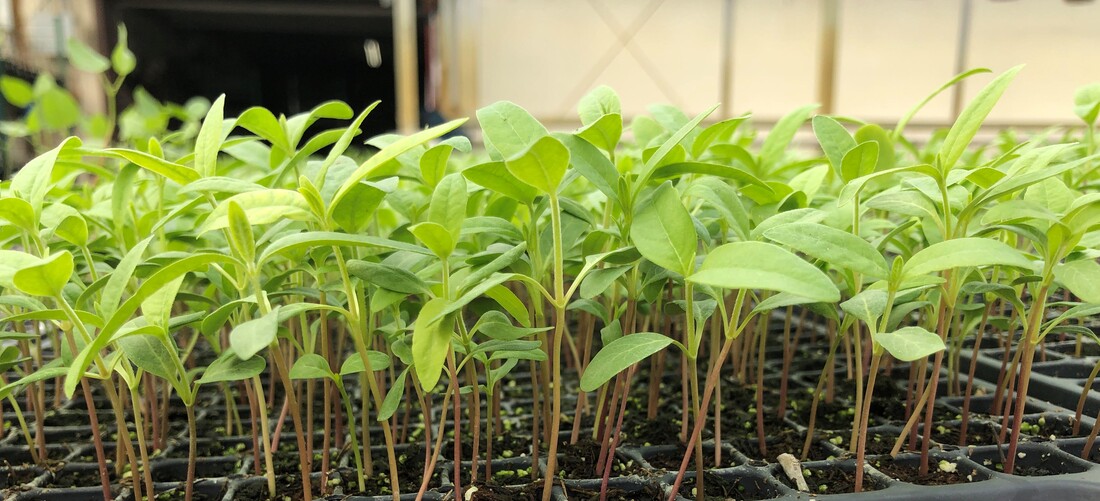
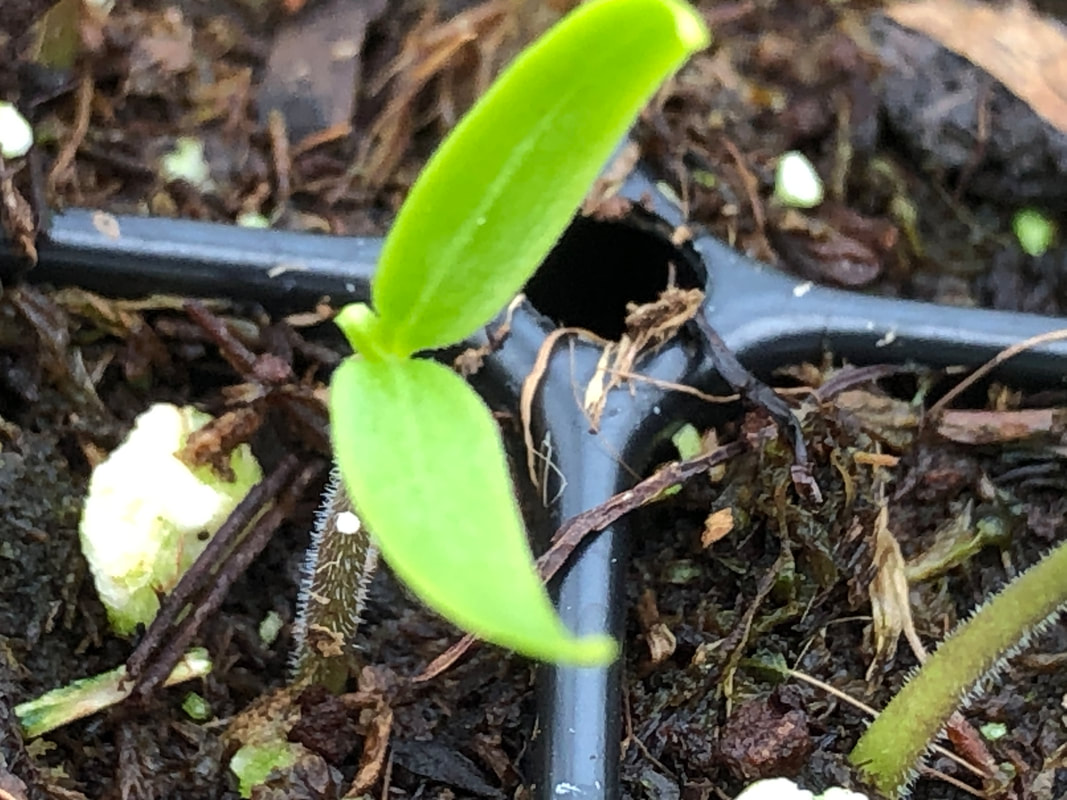
Green seedlings were reaching for heavenly light.
We could hear them all grow as they stretched into sight.
Tiny perennials and natives reached up toward the sky,
Dicots unfolding, like birds set to fly,
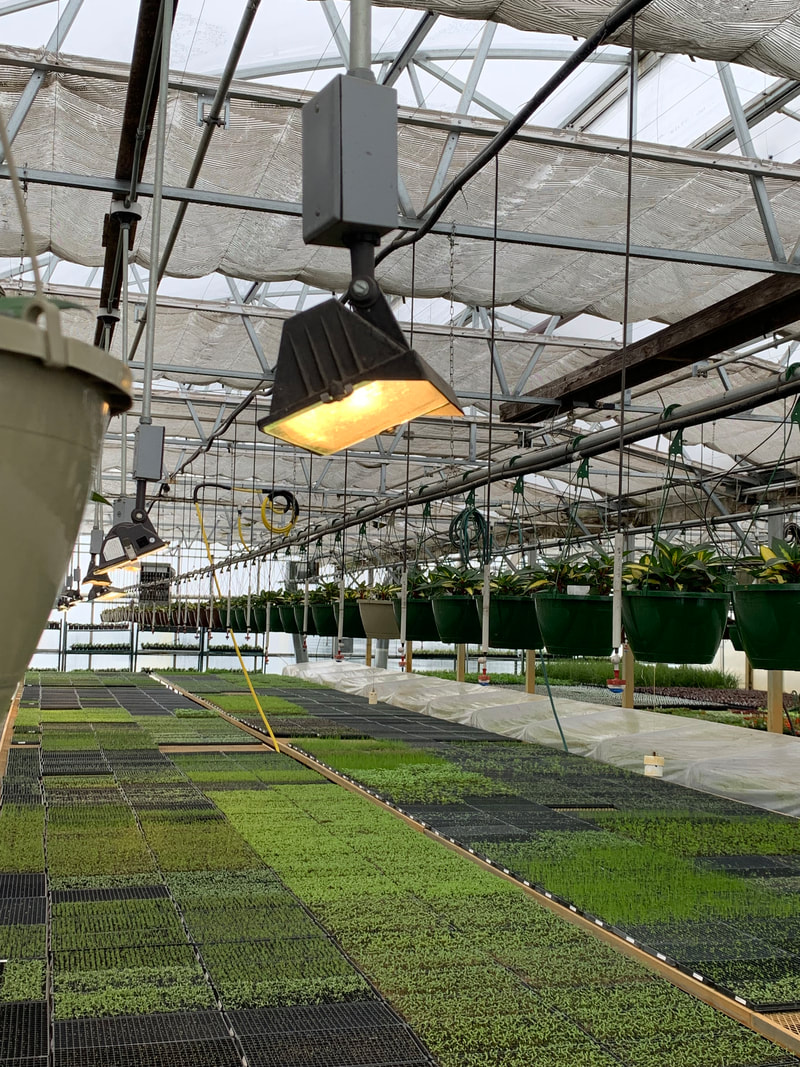
Geraniums and impatiens hung up where it’s warm,
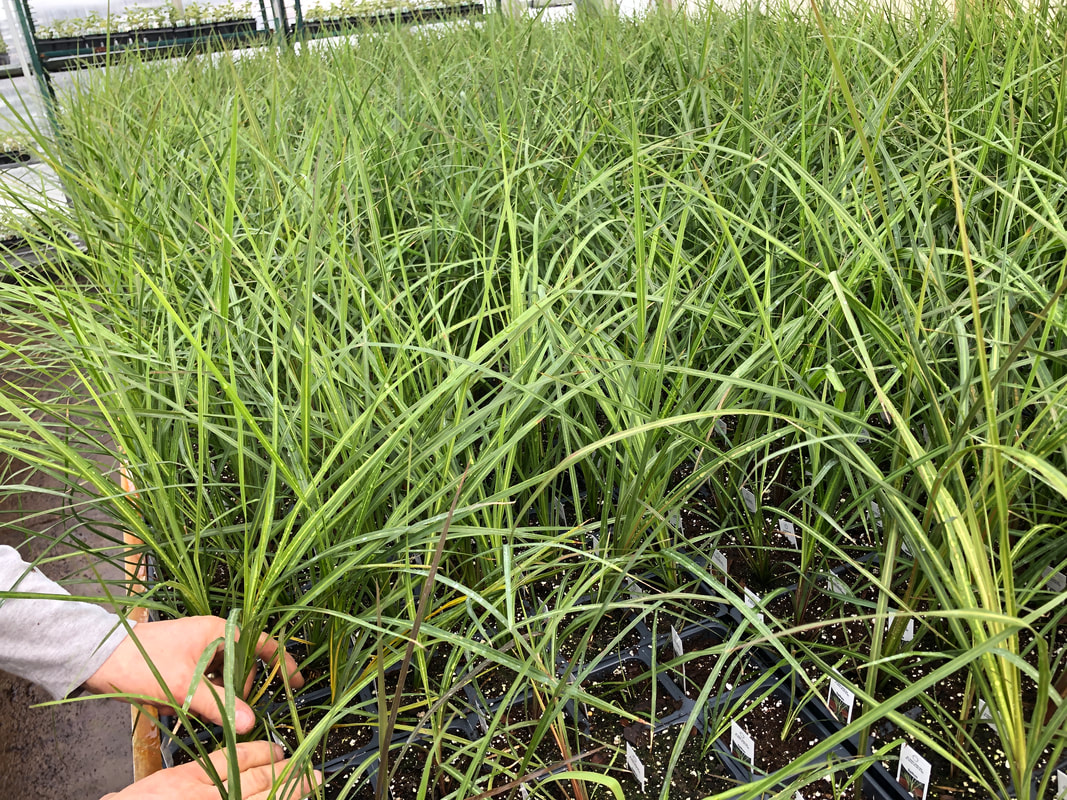
Spikes and greenery, one big showy swarm.
Oh, how they shimmered in bold shades of green,
Vigorous plants just want to be seen.
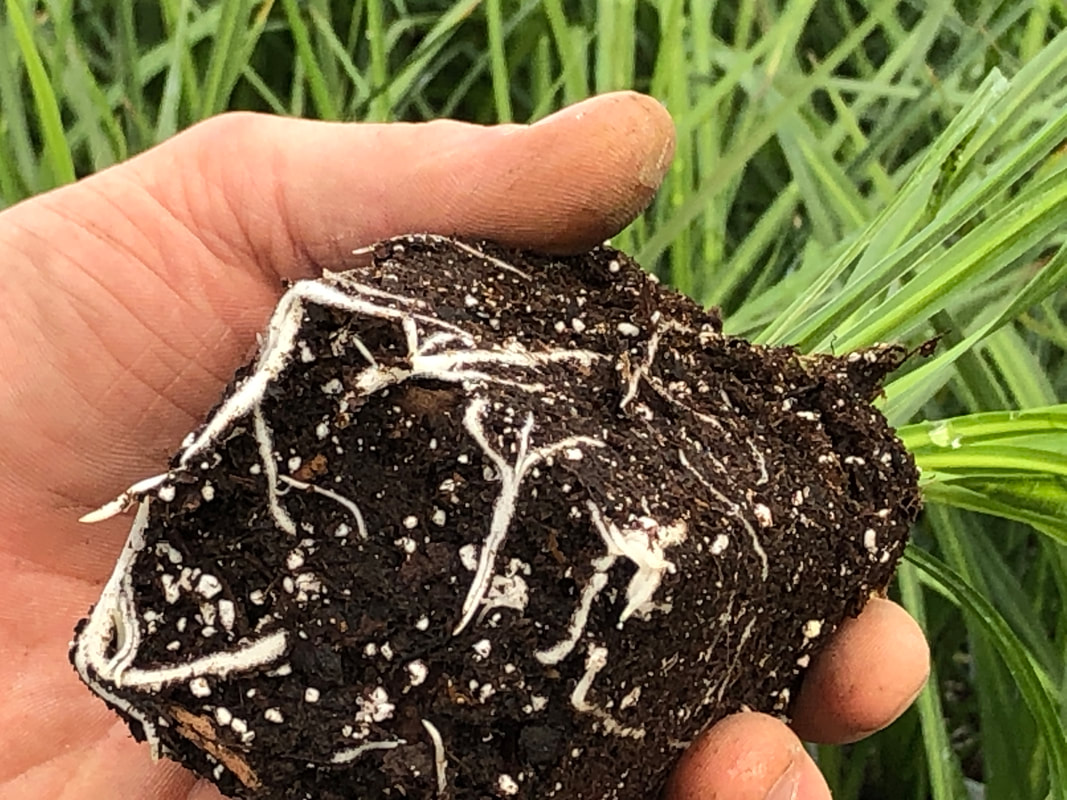
Their roots are emerging and filling their pots
Filling their space, each in its own spot.
The predatory insects are protecting the crop,
Eating the bad guys right down from the top.
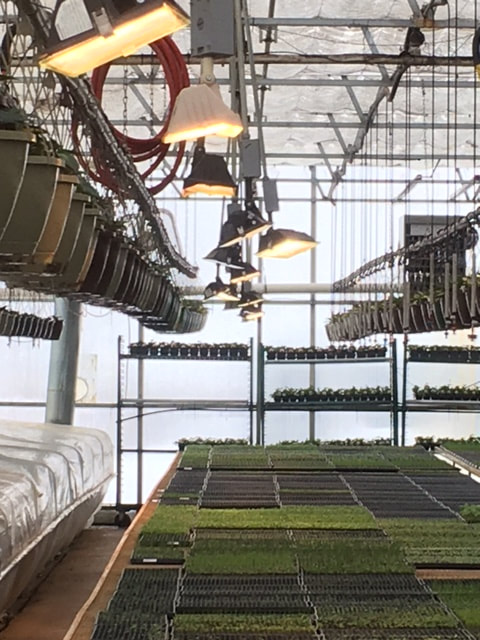
The grow-lights are extending the days into night.
Until mid-March when longer days are in sight.
The plants are so happy, now freed from their seeds,
They’ll go on to fulfill many gardeners’ needs.
The plants gave off sounds so soothing and low,
They gave comfort to us as we gazed at the snow.
Then, I had visions of blossoms and vines
A world of color appeared in my mind.
The visions up lifted our wintry malaise,
Made our tasks go much faster and perked up our days.
Then the plants sprang up as fast as a thistle,
Filled up the greenhouses as slick as a whistle.
I heard them exclaim in a colorful ring,
“Happy planting to all and to all a good spring.”
 |  |  |
 |  |  |
Gene R. Stark
A teacher, farmer, trapper, and greenhouse grower. He writes about the outdoors and the people and culture of rural America..
Archives
February 2022
January 2022
December 2021
November 2021
October 2021
September 2021
August 2021
July 2021
June 2021
May 2021
April 2021
March 2021
February 2021
January 2021
December 2020
November 2020
October 2020
September 2020
August 2020
July 2020
June 2020
April 2020
March 2020
February 2020
January 2020
December 2019
November 2019
October 2019
September 2019
August 2019
July 2019
June 2019
May 2019
April 2019
March 2019
February 2019
January 2019
December 2018
November 2018
August 2018
July 2018
June 2018
 RSS Feed